
Fiscally Sponsored · 501(c)(3) Receipts · Donor-Ready
Start a program donors actually trust.
Run your community fund, campaign, or scholarship fund as a program of an established 501(c)(3). Donors give to the sponsor and get its receipt. You get one platform to raise money and request grants from it. Most applications are reviewed within one business day.
- 501(c)(3) fiscal sponsorship
- $5.4M+ donated through BrightLeaf programs
- $0 setup · No monthly fee
Compliant guardrails
Your fund runs inside a real charitable structure, with clear rules and a documented disbursement process.
Stewardship built in
Your sponsor reviews every grant and sends donors their receipts. We handle the records and reporting on every dollar.
Give how donors prefer
Accept card, ACH, digital wallet, and DAF-friendly gifts — so supporters can give the way that fits them.
Find the right structure for your cause
Three programs, one platform. Pick what you’re trying to fund — we’ll show the best fit.
One-off philanthropic fundraiser
Social Impact Campaign
Time-bound fundraising for one serious project. Urgency without the chaos of casual crowdfunding.
Best if you:
- Have a defined initiative with a start and finish
- Need a donor-ready campaign page fast
- Want clear follow-through after the goal
Sustained giving
Community Support Fund
A long-term fundraising home base for ongoing community support, under nonprofit oversight.
Best if you:
- Are building ongoing support for a cause or community
- Want tax-deductible giving inside a compliant structure
- Need a modern donation page donors can return to
Giving for educational support
Education Opportunity Fund
A donor-advised scholarship built for values, legacy, and compliance.
Best if you:
- Want a scholarship fund with clear criteria
- Want input on recipients without managing logistics
- Want a charity to make each award, on your recommendation
Fundraising with structure, not guesswork
Most platforms can take payments. Few can hand donors a real charitable framework around the giving.
Every gift goes to a 501(c)(3) sponsor, so fundraising stays tied to a real charitable structure, disbursements follow clear rules, and supporters see the mission handled responsibly.
Fewer gray areas
Clearer documentation
Charity receipts from gift one

A different path
Do you actually need your own nonprofit?
Fiscal sponsorship covers most causes — but some founders genuinely need the full thing. If you’re ready to operate independently and you need something only a standalone 501(c)(3) can give you, that may be your path. Take the readiness check to see where you stand.
You’re ready if
- You have a board (or know who’s on it)
- You have funding, donor backing, or a real plan to raise it
- You’re building an organization meant to outlive a single program
And you actually need
- Your own EIN and IRS determination letter
- To apply for grants as the organization of record
- Nonprofit-only perks (Google Ad Grants, TechSoup, Microsoft)
Not sure? A Community Support Fund is the right call for most causes.
Our programs, at a glance

Social Impact Campaigns
Short-term fundraising for one clear goal — credible, compliant, and built to convert.

Community Support Funds
A dependable home for ongoing support under nonprofit oversight — built for donors who keep coming back.

Education Opportunity Funds
Donors recommend qualified recipients within clear criteria; awards follow a compliant process.
Fundraise with confidence
Clear process. Transparent administration. Real oversight.
Every donation goes to a 501(c)(3) sponsor and is treated as a charitable gift — with end-to-end administration, reporting support, and a sponsor review when funds are distributed.
501(c)(3) sponsors
End-to-end administration
Reporting support
Starting is straightforward
$0
setup fee
6.5%
platform fee
$5.4M+
donated through our programs
Learn while you decide
Still in research mode? These posts will help you think clearly about your next move.

Donor-Advised Funds Explained: A First-Time Donor’s Guide
Most first-time donors hear the term donor-advised fund without ever being given a plain explanation of what it
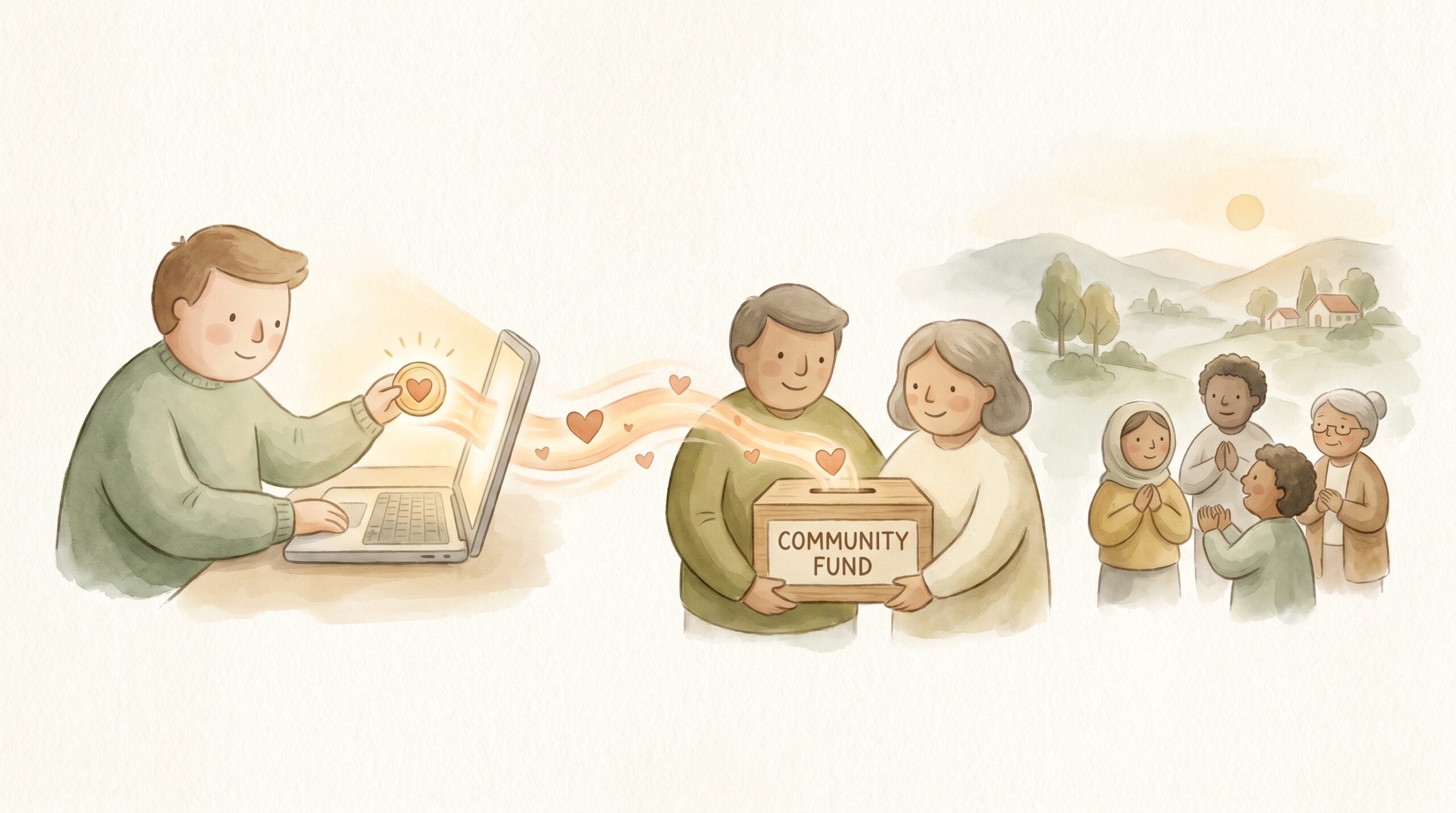
What Actually Happens to Your Donation After You Click “Give”
Most donors finish a gift in under a minute. A name typed in, a card number entered, a

How an Education Opportunity Fund (EOF) Helps Combat Illiteracy
Students in underserved communities, first-generation college attendees, and scholars in countries with limited higher education funding all represent