
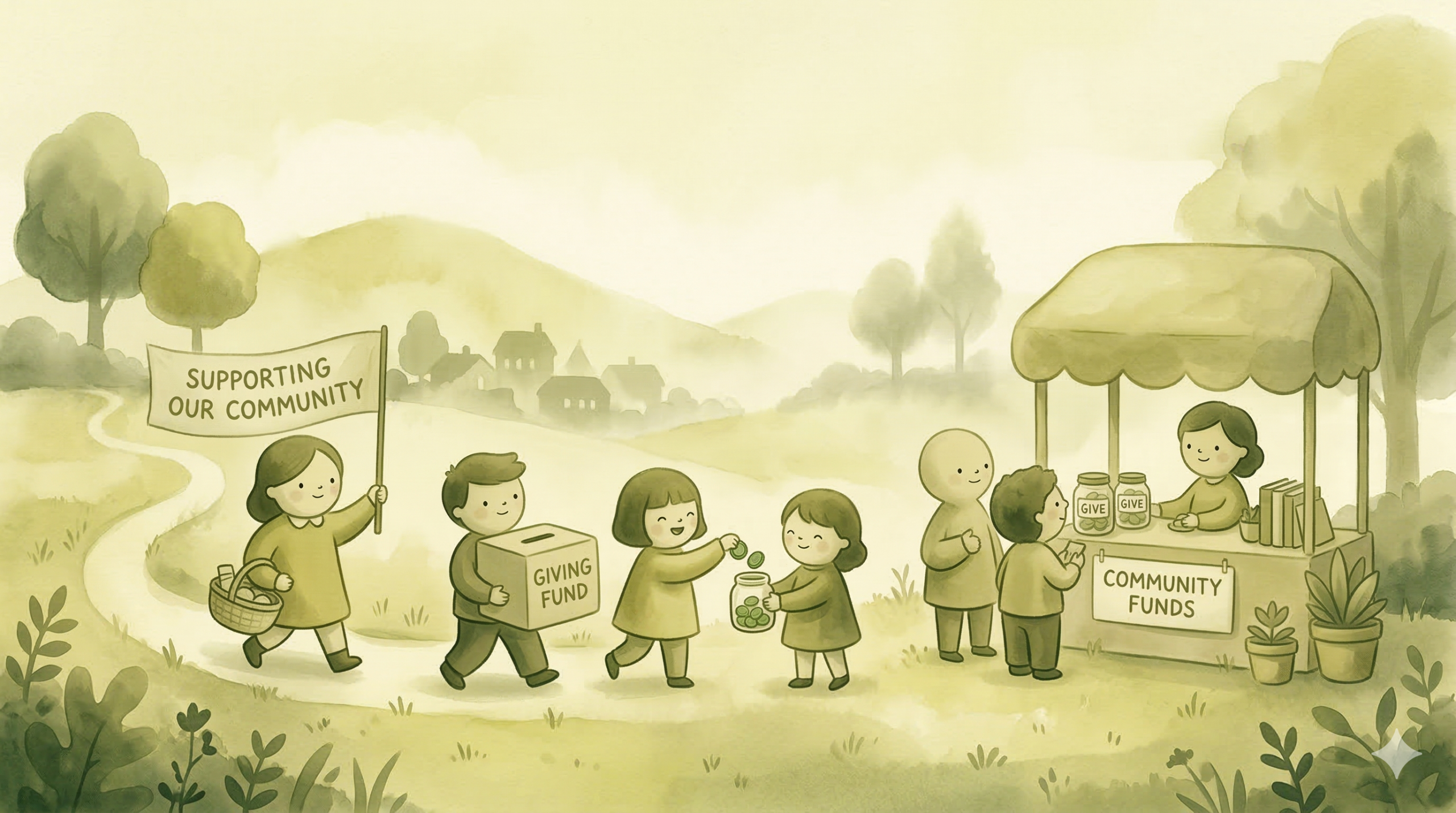
A fundraising program works best when an initiative needs steady support over time. You might run a year-round effort with recurring needs. You might run a seasonal initiative that reopens every cycle. Either way, you need a stable way to accept gifts, keep records, and request funds as needs show up.
At BrightLeaf Giving, we run our fundraising program format through Community Support Fund for organizers who want an ongoing structure without building a new legal entity just to receive and distribute support.
What a Fundraising Program Is
A fundraising program is an ongoing funding channel tied to a defined scope for an initiative. Instead of driving toward one finish line, the program stays open so supporters can give when it fits their schedule. Meanwhile, the organizer can keep the work moving without restarting fundraising from scratch each time.
A program usually includes:
- A consistent place for supporters to contribute
- A defined scope for how the initiative uses funds
- Records that connect incoming gifts to outgoing support
- A repeatable way to request funds as the work continues
Because the program stays open, consistency matters. Supporters notice when an organizer shifts the explanation every few weeks. Likewise, planning gets harder when funds move without a stable structure. A program format solves those problems by keeping the funding channel steady.
If you’re interested in how a fundraising program contrasts with crowdfunding campaigns, you can read Investopedia’s definition of such initiatives.
Duration as the Main Fit Signal
Duration shapes the decision more than any slogan or message. A time-bound push concentrates attention into a short window. By contrast, an ongoing program supports work that continues after the first wave of giving.
Several duration patterns often match an ongoing program:
- The initiative stays active throughout the year
- The initiative runs in monthly or seasonal cycles
- Requests or cases arrive on a rolling basis
- Costs recur, such as rent, food, transport, or supplies
When these patterns appear, an organizer benefits from a structure that keeps accepting gifts without constant relaunching. As a result, supporters can return to the same place to give again, and the organizer can plan around a steadier flow. Consequently, you can keep donor communication consistent while you process requests on a predictable rhythm and avoid constant one-off appeals for everyone involved.
Over time, the program can absorb slow weeks without forcing a full reset, because the channel remains available when donors come back.
Goals That Need Ongoing Funding
Some goals come with a built-in timeline. Others renew. An ongoing program fits goals that keep returning, even when the details change from month to month.
Common goal shapes that align with a program format include:
- Standing assistance pools that stay available
- Ongoing community support efforts
- Recurring activity tied to a calendar cycle
- Ongoing coverage for repeat expenses
- Support that follows long treatment or recovery timelines
- Rotating needs across a defined group
Each goal shares a common operational trait. The organizer needs a funding channel that stays open while the initiative continues. In addition, the organizer needs a way to show supporters where funds go, using records and documented requests rather than informal updates. This format also supports planning. It lets an organizer map expected needs, then match requests to the same scope instead of inventing a new explanation every time.
Initiative Types That Often Fit This Format
Certain initiative categories naturally align with ongoing funding because needs recur and support remains relevant across time. These examples keep things broad. They show the kinds of work that often benefits from an ongoing structure.
Many organizers use a fundraising program for initiatives such as:
- Ongoing family support with recurring living expenses
- Medical expense support that spans multiple months
- Education support across a school year
- Essentials distribution that repeats during high-need periods
- Standing emergency support that remains available for new cases
- Community logistics that require steady supplies and vendor payments
These categories work well because supporters can contribute at different points in the year without waiting for a special drive. At the same time, the organizer can continue work without pausing each cycle to rebuild the funding channel.
How Supporter Expectations Shift in an Ongoing Program
Supporters engage differently with an ongoing program than with a short push. A one-time gift can feel like a single decision. An ongoing program invites repeat giving, which changes what supporters look for.
In practice, supporters often expect:
- A stable place to contribute again later
- Consistent documentation for contributions
- Predictable updates tied to activity
- Consistent handling of funds across time
Therefore, the organizer benefits from steady language and steady boundaries. Supporters can understand the scope once, then return without relearning the basics. Over time, that consistency supports repeat giving and easier communication.
How Money Typically Moves in a Fundraising Program
An ongoing program works when money movement stays structured. Most organizers separate three parts of the flow, even if the initiative remains small.
The flow usually involves:
- Accepting gifts through supported methods
- Tracking balances and transactions with reliable records
- Requesting funds tied to the initiative’s scope, then releasing funds through a documented review process
This separation keeps the organizer focused on the work. It also gives supporters a shared reference point through transaction history and documented disbursements. As a result, the initiative can scale its activity without turning finance into a constant manual task.
How Community Support Fund Works
Community Support Fund provides organizers, community leaders, and small teams the program structure for long-term fundraising. We support multiple donation methods so supporters can give in familiar ways, including card payments, checks, ACH, and common digital methods used by many donors. This breadth matters because it reduces friction for everyday gifts and larger contributions.
When an organizer needs to move funds out for eligible expenses or recipients, the organizer submits a request tied to the initiative’s scope. We review the request against the stated boundaries and supporting documentation. Then we release funds through a structured process and maintain transaction records and disbursement history for the organizer.
Program Format vs Time-Bound Push
An ongoing program and a time-bound push solve different problems. A program supports continuity. A time-bound push supports concentration. Because of that difference, the same initiative can sometimes use both formats at different moments.
An ongoing program fits best when you need:
- Support that remains available across time
- Recurring needs that arrive throughout a cycle
- A stable giving channel that supporters can revisit
- Repeatable fund requests tied to the same scope
A time-bound push fits best when you need a defined target with an end date and a single, contained objective. In that case, the organizer can focus communication on one finish line, then close out the effort cleanly.
Next Step
If you’re interested in starting your own fundraising program, you can start by reviewing the requirements for a Community Support Fund at BrightLeaf Giving. If you have any questions, feel free to contact us today. Or call us at (888) 302-4467.